Anti-GABA-A-R, Beta3 Antibody (N87/25)
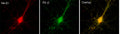
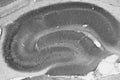
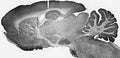
Our mouse GABA(A)R, Beta3 monoclonal antibody from NeuroMab is produced in-house from clone N87/25. It detects human, mouse, and rat GABA(A)R, Beta3 and is purified by Protein A chromatography. Works in WB, IHC, ICC, IP, ELISA.
Human, Mouse, Rat
ELISA, ICC, IHC, IP, WB
Mouse
SKU: 75-149
Ships: 1-2 business days
Product Details
GABA(A)R, Beta3
Gamma-aminobutyric acid receptor subunit beta-3 or GABA AR-Beta3 is encoded by the gene GABRB3. GABAA receptors are members of the Cys-loop family of ligand-gated ion channels. GABA AR-beta3 a is a subunit of the pentameric GABA receptors where GABA is the major inhibitory neurotransmitter in the vertebrate brain and mediates neuronal inhibition by binding to the GABA receptor and opening an integral chloride channel. GABA AR beta3 has been found to be expressed in retina, heart and primarily in brain at the cell junction, synapse, postsynaptic cell membrane and cytoplasmic vesicle membrane. This gene may be associated with the pathogenesis of several disorders including epilepsy and autism, childhood absence epilepsy 5 and early infantile epileptic encephalopathy 43.
Purified by Protein A chromatography
1 mg/mL
Monoclonal
N87/25
IgG1
ELISA, ICC, IHC, IP, WB
Mouse
Gabrb3 Gabrb-3
55 kDa
Fusion protein amino acids 370-433 of mouse GABA-A-R-Beta3 (accession number AAB60502) produced recombinantly in E. Coli
Mouse
Human, Mouse, Rat
AB_2109585
Aliquot and store at ≤ -20°C for long term storage. For short term storage, store at 2-8°C. For maximum recovery of product, centrifuge the vial prior to removing the cap.
Liquid
Produced by in vitro bioreactor culture of hybridoma line followed by Protein A affinity chromatography. Purified mAbs are >90% specific antibody.
10 mM Tris, 50 mM Sodium Chloride, 0.065% Sodium Azide pH 7.76
WB: 1:1000
IHC: 1:500
ICC: 1:500
IP: 2 ug
IHC: 1:500
ICC: 1:500
IP: 2 ug
Unconjugated
No cross-reactivity against GABA-A-R-Beta1 or –Beta2
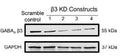
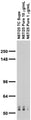
Each new lot of antibody is quality control tested by western blot on rat whole brain lysate and confirmed to stain the expected molecular weight band.
These antibodies are to be used as research laboratory reagents and are not for use as diagnostic or therapeutic reagents in humans.
United States
24 months from date of receipt
ECA5; Gamma-aminobutyric acid receptor subunit beta-3; GABA alpha receptor beta-2 subunit; GABA(A receptor subunit beta-3; GABA(A receptor subunit beta-3; GABAA receptor beta 3 subunit; GABAA receptor subunit beta 3; GABR B3; Gabrb3; Gamma aminobutyric acid (GABA A receptor beta 3; Gamma aminobutyric acid receptor subunit beta 3; Gamma-aminobutyric acid receptor subunit beta-3; GBRB3_HUMAN; MGC9051
P63080
UniProt Summary: Beta subunit of the heteropentameric ligand-gated chloride channel gated by gamma-aminobutyric acid (GABA), a major inhibitory neurotransmitter in the brain. GABA-gated chloride channels, also named GABA(A) receptors (GABAAR), consist of five subunits arranged around a central pore and contain GABA active binding site(s) located at the alpha and beta subunit interface(s). GABAARs containing beta-3/GABRB3 subunit are found at both synaptic and extrasynaptic sites. When activated by GABA, GABAARs selectively allow the flow of chloride anions across the cell membrane down their electrochemical gradient. Chloride influx into the postsynaptic neuron following GABAAR opening decreases the neuron ability to generate a new action potential, thereby reducing nerve transmission. GABAARs containing alpha-1 and beta-3 subunits exhibit synaptogenic activity; the gamma-2 subunit being necessary but not sufficient to induce rapid synaptic contacts formation. Extrasynaptic beta-3 receptors contribute to the tonic GABAergic inhibition. GABAARs containing alpha-1, beta-3 and epsilon subunits may permit spontaneous chloride channel activity while preserving the structural information required for GABA-gated openings. Beta-containing GABAARs can simultaneously bind GABA and histamine where histamine binds at the interface of two neighboring beta subunits, which may be involved in the regulation of sleep and wakefulness. Plays an important role in somatosensation and in the production of antinociception.
14402
Shipped on ice packs