
Anti-Tyrosine Kinase Receptor B (TrkB) Antibody
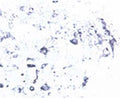
Our Anti-Tyrosine Kinase Receptor B (TrkB) rabbit polyclonal primary antibody detects human, mouse, and rat Tyrosine Kinase Receptor B (TrkB), and is whole serum. It is validated for use in IHC-Frozen.
SKU: R-121-100
Ships: 1-2 business days
Product Details
Tyrosine Kinase Receptor B (TrkB)
FUNCTION: Receptor for brain-derived neurotrophic factor (BDNF), neurotrophin-3 and neurotrophin-4/5 but not nerve growth factor (NGF). Involved in the development and/or maintenance of the nervous system. This is a tyrosine-protein kinase receptor. Known substrates for the TRK receptors are SHC1, PI-3 kinase, and PLC-gamma-1. CATALYTIC ACTIVITY: ATP + a [protein]-L-tyrosine = ADP + a [protein]-L-tyrosine phosphate. SUBUNIT: Exists in a dynamic equilibrium between monomeric (low affinity) and dimeric (high affinity) structures (By similarity). Binds APS. Interacts with SQSTM1. SUBCELLULAR LOCATION: Membrane; single-pass type I membrane protein. ALTERNATIVE PRODUCTS: 3 named isoforms produced by alternative splicing. Additional isoforms seem to exist. TISSUE SPECIFICITY: The different forms are differentially expressed in various cell types. Isoform T2 is primarily expressed in neurons. PTM: Ligand-mediated auto-phosphorylation. SIMILARITY: Belongs to the Tyr protein kinase family. Insulin receptor subfamily. SIMILARITY: Contains 2 Ig-like C2-type (immunoglobulin-like) domains. SIMILARITY: Contains 2 LRR (leucine-rich) repeats. SIMILARITY: Contains 1 protein kinase domain.
Whole serum
Polyclonal
Mixed
IHC, WB
Rabbit
A synthetic peptide (AFPRLEPNSIDPEN(C)) as part of rat TrkB protein (aa: 54-67) conjugated to KLH
Rat
Human, Mouse, Rat
Spin vial briefly before opening. Reconstitute in 100 µL sterile-filtered, ultrapure water. Centrifuge to remove any insoluble material. After reconstitution keep aliquots at -20°C for a higher stability, and at 2-8°C with an appropriate antibacterial agent. Glycerol (1:1) may be added for an additional stability. Avoid repetitive freeze/thaw cycles.
Lyophilized
WB: 1:500-1:1000
IHC: 1:1000-1:3000
IHC: 1:1000-1:3000
The sequence of the immunogen and the conjugate are identical to the one used by Yan et al (see the Refs) and the antiserum appears to have similar characteristics.
Unconjugated
Sequence was chosen to avoid cross reactivity with TrkA and TrkC. This antiserum recognizes human, rat and mouse TrkB. Cross reactivity with other species has not yet been tested.
For research use only.
United States
12 months after date of receipt (unopened vial).
AI848316; Tropomyosin-related kinase receptor; BDNF tropomyosine receptor kinase B; BDNF/NT-3 growth factors receptor; BDNF/NT 3 growth factors receptor; Neurotrophic tyrosine kinase receptor type 2; BDNF/NT-3 growth factors receptor; TrkB tyrosine kinase; Brain derived neurotrophic factor receptor; GP145-TrkB/GP95-TrkB; C030027L06Rik; Trk-B; EC 2.7.10.1; Ntrk2; GP145 TrkB; Trkb; GP145-TrkB; GP145-TrkB/GP95-TrkB; GP95 TrkB; Neurotrophic receptor tyrosine kinase 2; Neurotrophic tyrosine kinase receptor type 2; Neurotrophin receptor tyrosine kinase type 2; NTRK 2; Ntrk2; NTRK2_HUMAN; Obesity hyperphagia and developmental delay included; RATTRKB1; Tkrb; Trk B; Trk-B; TRKB; TrkB tyrosine kinase; TRKB1; Tropomyosin related kinase B; tyrosine kinase receptor B; Tyrosine receptor kinase B
Q63604
UniProt Summary: Receptor tyrosine kinase involved in the development and the maturation of the central and the peripheral nervous systems through regulation of neuron survival, proliferation, migration, differentiation, and synapse formation and plasticity. Receptor for BDNF/brain-derived neurotrophic factor and NTF4/neurotrophin-4. Alternatively can also bind NTF3/neurotrophin-3 which is less efficient in activating the receptor but regulates neuron survival through NTRK2. Upon ligand-binding, undergoes homodimerization, autophosphorylation and activation. Recruits, phosphorylates and/or activates several downstream effectors including SHC1, FRS2, SH2B1, SH2B2 and PLCG1 that regulate distinct overlapping signaling cascades. Through SHC1, FRS2, SH2B1, SH2B2 activates the GRB2-Ras-MAPK cascade that regulates for instance neuronal differentiation including neurite outgrowth. Through the same effectors controls the Ras-PI3 kinase-AKT1 signaling cascade that mainly regulates growth and survival. Through PLCG1 and the downstream protein kinase C-regulated pathways controls synaptic plasticity. Thereby, plays a role in learning and memory by regulating both short term synaptic function and long-term potentiation. PLCG1 also leads to NF-Kappa-B activation and the transcription of genes involved in cell survival. Hence, it is able to suppress anoikis, the apoptosis resulting from loss of cell-matrix interactions. May also play a role in neutrophin-dependent calcium signaling in glial cells and mediate communication between neurons and glia.
25054
25°C (ambient)

