
Anti-Cellular oncogene fos (c-Fos) Antibody
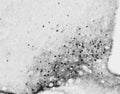
Our Anti-Cellular oncogene fos (c-Fos) sheep polyclonal primary antibody detects hamster, human, rabbit, and rat Cellular oncogene fos (c-Fos), and is IgG. It is validated for use in IHC-Frozen, WB.
SKU: S-033-500
Ships: 1-2 business days
Product Details
Cellular oncogene fos (c-Fos)
FUNCTION: Nuclear phosphoprotein which forms a tight but non-covalently linked complex with the JUN/AP-1 transcription factor. Has a critical function in regulating the development of cells destined to form and maintain the skeleton. It is thought to have an important role in signal transduction, cell proliferation and differentiation. SUBUNIT: Heterodimer. Interacts with DSIPI; this interaction inhibits the binding of active AP1 to its target DNA. Interacts with MAFB. SUBCELLULAR LOCATION: Nucleus. INDUCTION: C-fos expression increases upon a variety of stimuli, including growth factors, cytokines, neurotransmitters, polypeptide hormones, stress and cell injury. SIMILARITY: Belongs to the bZIP family. Fos subfamily. SIMILARITY: Contains 1 bZIP domain
IgG
Polyclonal
IgG
IHC, WB
Sheep
A synthetic peptide (MFSGFNADYEASSSRC; aa 2-17) conjugated to diphtheria toxoid has been used as the immunogen. The peptide is homologous with the corresponding sequence derived from cFos protein human, rat, mouse, hamster and cat.
Human
Hamster, Human, Rabbit, Rat
Spin vial briefly before opening. Reconstitute in 500 µL sterile-filtered 1X PBS, pH 7.2-7.6. Centrifuge to remove any insoluble material. After reconstitution keep aliquots at -20°C for a higher stability, and at 2-8°C with an appropriate antibacterial agent. Glycerol (1:1) may be added for an additional stability. Avoid repetitive freeze/thaw cycles.
Lyophilized
Protein G purified.
Lyophilized from a solution containing PBS pH 7.4
IHC: 10 µg/mL
Unconjugated
This antiserum shows a high level of specificity for c-FOS confirmed by immunohistochemistry. This antiserum is known to react with rat and rabbit and hamster cFOS.
For research use only.
United States
12 months after date of receipt (unopened vial).
Activator protein 1; c-Fos; AP 1; Proto-oncogene protein cFOS; C FOS; cellular oncogene fos; Cellular oncogene c fos; G0/G1 switch regulatory protein 7; Cellular oncogene fos; FOS; FBJ murine osteosarcoma viral (v fos oncogene homolog (oncogene FOS; G0S7; FBJ murine osteosarcoma viral oncogene homolog; FBJ murine osteosarcoma viral v fos oncogene homolog; FBJ Osteosarcoma Virus; FOS; FOS protein; FOS_HUMAN; G0 G1 switch regulatory protein 7; G0/G1 switch regulatory protein 7; G0S7; Oncogene FOS; p55; proto oncogene c Fos; Proto oncogene protein c fos; Proto-oncogene c-Fos; fos FBJ murine osteosarcoma viral oncogene homolog
P01100
UniProt Summary: Nuclear phosphoprotein which forms a tight but non-covalently linked complex with the JUN/AP-1 transcription factor. In the heterodimer, FOS and JUN/AP-1 basic regions each seems to interact with symmetrical DNA half sites. On TGF-beta activation, forms a multimeric SMAD3/SMAD4/JUN/FOS complex at the AP1/SMAD-binding site to regulate TGF-beta-mediated signaling. Has a critical function in regulating the development of cells destined to form and maintain the skeleton. It is thought to have an important role in signal transduction, cell proliferation and differentiation. In growing cells, activates phospholipid synthesis, possibly by activating CDS1 and PI4K2A. This activity requires Tyr-dephosphorylation and association with the endoplasmic reticulum.
2353
25°C (ambient)

